



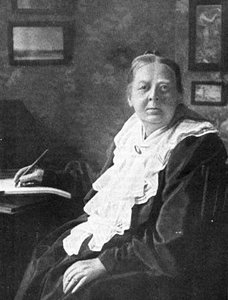
Mary Everest Boole understands symbolic logic not as a rigid mathematical calculus but as a method for training the mind through symbols that express underlying mental operations. For Boole, symbolic logic functions not only as a formal system but also as a pedagogical practice that cultivates clarity, self-correction, and intellectual independence. By emphasizing the developmental and intuitive dimensions of reasoning, she reinterprets symbolic logic as a bridge between natural cognitive processes and formal abstraction. ~ ECC, Juan J. Colomina-Almiñana (Mills College at Northeastern University)
In connection with this new Entry, we would like to draw attention to one of the Center’s research projects: the Encyclopedia of Concise Concepts by Women Philosophers (ECC).
The ECC is a collaborative, international project that responds to a significant gap in the history of philosophy: while many encyclopedias are organised by thinkers, schools, or disciplines, there has been no comprehensive resource dedicated specifically to the concepts developed by women philosophers.
The aim of the ECC is therefore methodologically precise: leading scholars are invited to present, in a concise format (100–300 words), a specific philosophical concept as developed by a woman philosopher, accompanied by a focused bibliography.
Interested in contributing to this growing repository of concepts? Further information: https://ecc.historyofwomenphilosophers.org/#hwps
You cannot copy content of this page